
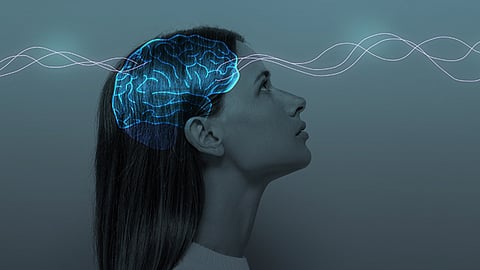
The Epileptic brain and spiritual experience: Science meets the mystical
Key topics:
Temporal lobe epilepsy can trigger intense religious or spiritual experiences
Seizure type and brain area influence mystical or emotional experiences
Respect and understanding are key for managing epilepsy-related spirituality
Sign up for your early morning brew of the BizNews Insider to keep you up to speed with the content that matters. The newsletter will land in your inbox at 5:30am weekdays. Register here.
Support South Africa’s bastion of independent journalism, offering balanced insights on investments, business, and the political economy, by joining BizNews Premium. Register here.
If you prefer WhatsApp for updates, sign up to the BizNews channel here.
By Toni Botes
Our minds are a complex network of neurons and chemistry, which play an enormous role in how we experience life. The brain of someone living with epilepsy falls into the category of a ‘less typical’ brain. In the case of temporal lobe epilepsy, structural and functional aberrations lay the groundwork for something less easily explained by science – powerful religious or spiritual experiences. Clinical research has proven the link between temporal lobe epilepsy and such experiences. So, what is the rational explanation, and does it validate or invalidate these compelling and deeply personal experiences?
Temporal Lobe Epilepsy in a Nutshell
For thousands of years, those affected by epilepsy have been regarded by society as touched by the divine or possessed by demons. To better understand the link between religious or spiritual experiences and temporal lobe epilepsy, it is best to learn more about the disease that can lead to them. There are four types of epilepsy: generalised epilepsy, focal epilepsy, generalised and focal epilepsy, and unknown if there is not enough information to determine the type of epilepsy the patient has.
Temporal lobe epilepsy falls under the focal epilepsy category. This type of epilepsy one may be diagnosed with is dependent on the areas of the brain affected and the type of seizures they experience. Seizures occur when there is an abnormal change in electrical activity in the brain, resulting in various abnormal behaviours.
Epilepsy risk factors:
Birth injuries
Early childhood injuries
Head trauma with loss of consciousness
Brain defects
Brain tumours
Infections such as meningitis
Diagnosing Epilepsy
Once a patient has had a seizure, the doctor will ask a variety of questions to ascertain what type of seizure occurred. The doctor may suggest tests if they suspect the seizure is symptomatic of an epileptic disease, in which seizures occur repeatedly, or an anomaly. Typically, they will perform an MRI (magnetic resonance imaging) to look for brain abnormalities or an EEG (electroencephalogram) to measure electrical activity in the brain. Temporal lobe epilepsy affects the sections of the brain on the sides of the head, behind the temple and the cheekbones. If someone with epilepsy is prone to mystical experiences, this could be a sign of temporal lobe epilepsy.
Temporal Lobe Seizures
The brain’s temporal lobes are responsible for a diverse range of functions, amongst which are regulating the memory, processing sounds, speech, language, and visual interpretation. This area of the brain is also responsible for unconscious responses such as hunger, thirst, emotions, fight-or-flight responses, and even sexual arousal. One can only imagine that disruptions to this area of the brain can lead to a myriad of interesting, disturbing, and even delightful experiences.
As mentioned above, temporal lobe epilepsy is a form of focal epilepsy, with the seizures referred to as focal aware seizures, focal impaired awareness seizures, focal motor seizures, and focal non-motor seizures. These seizures are categorised based on whether the patient is aware, confused, experiences intense emotions, or experiences spasms and unusual motor functions. With varying levels of awareness and emotion, it’s easy to understand the greater impact of a seizure, especially how it could be linked to transcendent experiences.
When Reality Shifts
At this juncture, it is critical to note that not every person with temporal lobe epilepsy experiences these potential lifechanging mystical moments. In fact, a maximum of 3.9% of people with epilepsy have these experiences. With such a minute sector of society experiencing this, there’s still a lot of mystery surrounding it. That said, there is also a fair amount of research to support the link between spiritual and religious experiences and temporal lobe epilepsy. One aspect of this phenomenon these studies explore is when people have these experiences. They will occur during (ictal), after (postictal), and between (interictal) seizures.
How Does it Feel?
Ictal spiritual experiences veer toward ecstasy with feelings of God’s presence, hallucinations of God’s voice, clairvoyance and sometimes telepathy. Postictal events may manifest as prolonged intense spirituality lasting hours or days. Interictal spirituality tends to present as heightened spiritual conviction with potential personality changes such as anxiety, depression, aggression, inattention, or hyperactivity.
In one report, a 40-year-old man with temporal lobe epilepsy arrived at an emergency room having had an altered mental state for three days after he stopped taking his medication. While his motor function, reflexes, and coordination were normal, he related every question to his religious faith, and the psychiatric department linked this to his epilepsy.
Is it God, or Is it Psychosis?
Now, we’re asking the real questions. And the answers WILL vary from person to person. Those content in their atheism may dismiss these experiences as psychosis. However, those who have had profound, meaningful religious experiences may be more likely to appreciate the blurring between these realities. Other forms of psychosis are recognised as real experiences even to those who aren’t trapped inside them, and this level of respect and understanding is the best way to help someone who has disassociated or is experiencing extreme paranoia.
Whether you recognise epilepsy-related spiritual or religious experiences as ‘real’ or not, it is essential to respect the feelings of those who experience them and recognise when they are in danger of hurting themselves or others. When these experiences negatively impact someone’s life, it may also be time for them to reassess the medical management of their epilepsy. If they are just living their best lives, skipping along and talking to the fairies, maybe ask them what their mystical moments have taught them - you may learn something too.
