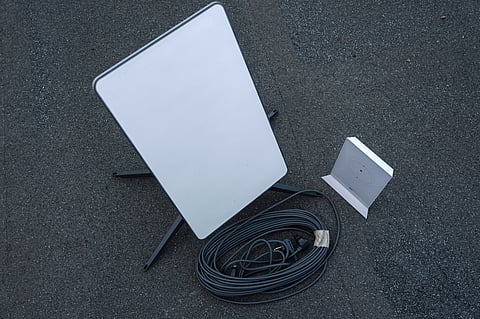
Key topics:Namibia blocks Starlink over local ownership and safety rules.Starlink lacks required 51% Namibian shareholding and exemption.African nations debate easing rules for satellite internet access..Sign up for your early morning brew of the BizNews Insider to keep you up to speed with the content that matters. The newsletter will land in your inbox every morning on weekdays. Register here.Support South Africa's bastion of independent journalism, offering balanced insights on investments, business, and the political economy, by joining BizNews Premium. Register here.If you prefer WhatsApp for updates, sign up to the BizNews channel here..By Kaula Nhongo.Namibia turned down a bid by billionaire Elon Musk’s Starlink service to operate in the country, denying the satellite internet provider both a telecommunications service license and access to radio spectrum because it doesn’t comply with local ownership rules.The Communications Regulatory Authority of Namibia “resolved to decline” both applications, effectively blocking the US-based firm’s planned rollout of nationwide satellite internet services. The regulator published its decision in a government notice Monday. Starlink, which has no Namibian shareholding, didn’t obtain an exemption from rules that mandate minimum local ownership of 51%, the regulator said in a separate statement Tuesday. The application also didn’t satisfy rules around national defense and public safety, it said. .Read more:.Starlink pushes for rule change as Namibia weighs full foreign ownership bid.The firm didn’t immediately respond to an emailed request for comment. The company had applied to use frequency bands to provide fixed satellite services across the southwest African nation and can seek reconsideration of the decision within 90 days under the Communications Act. In 2024, Namibia ordered Starlink to immediately cease operations after people were found to be using the service illegally in the country. Demand for Starlink services in sub-Saharan Africa has soared in recent years as local operators often struggle to provide fast broadband internet, especially in areas far from cities, and in some cases people have traded and activated the terminals illegally.Many African nations — including Zimbabwe, Kenya, Botswana and the Democratic Republic of Congo — have given in to pressure by Starlink to ease local-ownership requirements in a quest for fast and reliable access to the internet. South Africa, where Musk was born, has been reviewing its rules to provide an alternative to 30% ownership requirement in the form of equity-equivalent programs, in terms of which a company invests in services, businesses and schools run by Black people without giving away any of its equity.While Communications Minister Solly Malatsi has asked the local regulator to amend its rules to allow equity-equivalent investment programs to count toward empowerment, the parliamentary committee overseeing the industry wants him to withdraw the policy directive..© 2026 Bloomberg L.P.