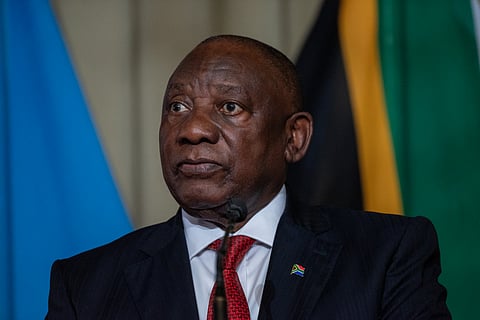
Key topics: Trump ambushes Ramaphosa with graphic “white genocide” narrativeRamaphosa counters with calm diplomacy and symbolic delegationOval Office clash highlights Trump’s domestic-focused foreign policy.Sign up for your early morning brew of the BizNews Insider to keep you up to speed with the content that matters. The newsletter will land in your inbox at 5:30am weekdays. Register here.Support South Africa’s bastion of independent journalism, offering balanced insights on investments, business, and the political economy, by joining BizNews Premium. Register here.If you prefer WhatsApp for updates, sign up to the BizNews channel here..By Kerry Lanaghan.In a dramatic and tightly choreographed Oval Office encounter, US President Donald Trump ambushed South African President Cyril Ramaphosa with a barrage of accusations regarding the alleged persecution of white South Africans - specifically white farmers - reviving the long-debunked claim of a “white genocide.” The meeting, which began with polite diplomatic exchanges, quickly transformed into a televised spectacle as Trump dimmed the lights and played a provocative video showing South African political radicals chanting the apartheid-era slogan “Shoot the Boer.”The footage was followed by Trump presenting clippings and images, some of dubious provenance, to support his claims. He asserted that grave sites of murdered white farmers were scattered across South Africa but offered no verifiable evidence. Notably, the individuals in the video were not members of the South African government, and Trump appeared to misunderstand their roles and authority. While Ramaphosa had recently signed a controversial bill allowing land expropriation without compensation, it has not yet been implemented - a nuance the US president disregarded.Throughout the confrontation, Ramaphosa remained calm and largely refrained from engaging with Trump’s provocations. His response was tactful, calling on Trump to listen to the voices of ordinary South Africans. Ramaphosa’s diplomatic strategy was reinforced by an unorthodox entourage that included white South African golf legends Ernie Els and Retief Goosen and his white agriculture minister, a member of an opposition party. Their presence appeared to be a symbolic shield, subtly undermining Trump’s narrative by projecting unity and inclusivity.The South African leader deftly avoided being drawn into a public argument. At one point, he remarked that if there were indeed a genocide against Afrikaners, his white delegates, including a billionaire businessman, would not be present. Meanwhile, Trump, bolstered by figures like Elon Musk, who quietly observed from behind a couch, continued to emphasise the “plight” of white farmers, a theme he has used to justify admitting several of them as refugees into the United States.Despite failing to provoke a confrontation with Ramaphosa, Trump succeeded in achieving his likely secondary objective: playing to his domestic base. The performative diplomacy, heavy with grievance and spectacle, aligns with the broader aims of the MAGA movement, feeding into narratives of victimhood and moral crusade. Ramaphosa’s restraint, however, suggested growing international awareness of Trump’s tactics and a willingness among some leaders to absorb the theatrics without conceding political ground.This episode marks yet another example of how diplomacy under Trump’s second term is increasingly shaped for domestic consumption, leaving visiting leaders to navigate policy talks and political theatre.(This article is a précis of a piece originally published in BBC and can be read in full here.)